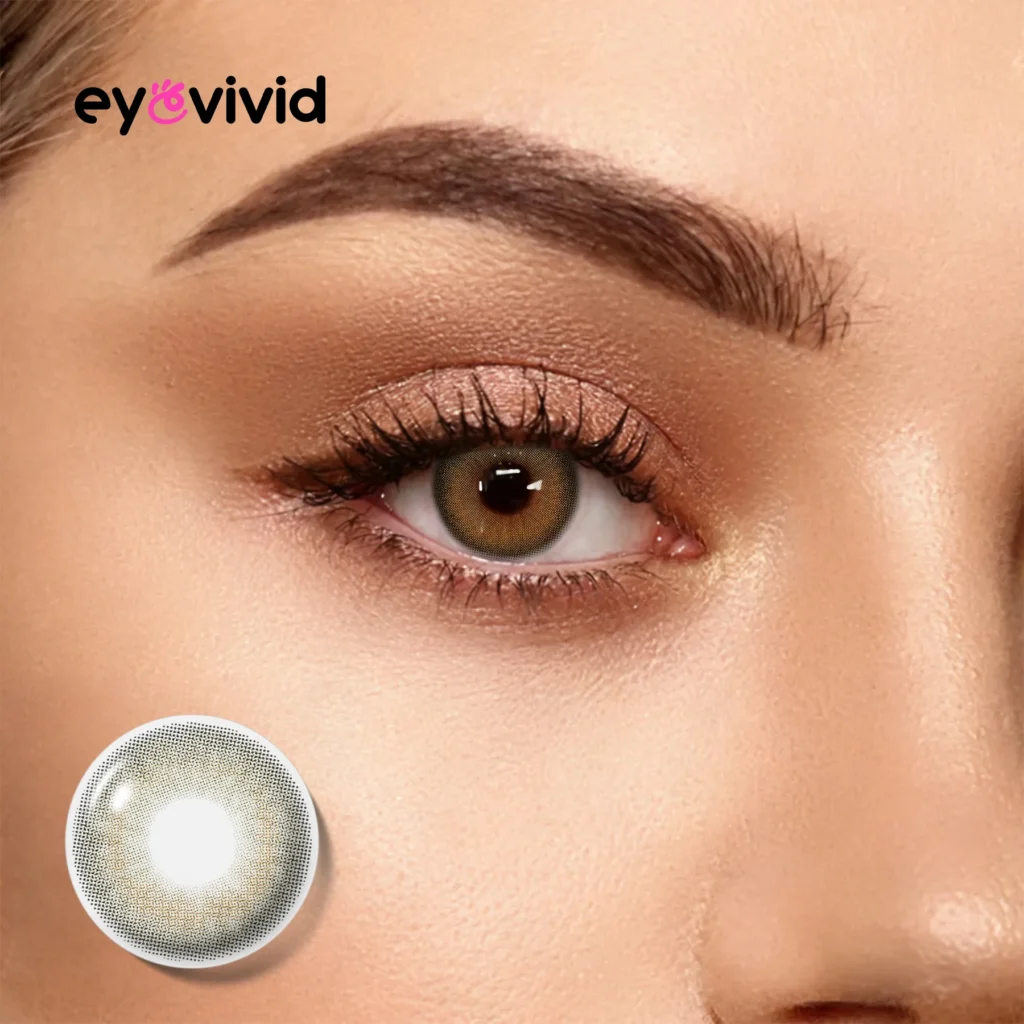
Searching for the most natural colored contacts for dark eyes? The mistake most shoppers make is chasing a color label instead of judging the final daytime effect. On dark irises, “natural” usually means a softer edge, a warmer blend, and a result that still looks believable at work, on campus, or in bright daylight.
If you want the fastest place to start, go straight to EyeVivid Most Natural. This guide explains which shades tend to stay soft on dark eyes, why brown still wins for first-time buyers, and when soft gray can look natural without feeling flat.

What Makes Colored Contacts Look Natural on Dark Eyes?
On dark brown eyes, a natural-looking lens is not the one with the most subtle product name. It is the one that keeps the final result balanced. The best natural styles usually share a few traits:
- a soft limbal ring instead of a harsh outer edge
- warm or neutral undertones that blend instead of turning chalky
- enough pigment to show up without looking opaque
- a finish that still looks believable under daylight, not just studio lighting
That is why the safest shopping path is usually not “pick the lightest color.” For dark eyes, the better strategy is to begin with shades that soften and brighten gently, then move up in contrast only if you want more transformation.
1. Brown Lenses Still Give the Most Believable Upgrade
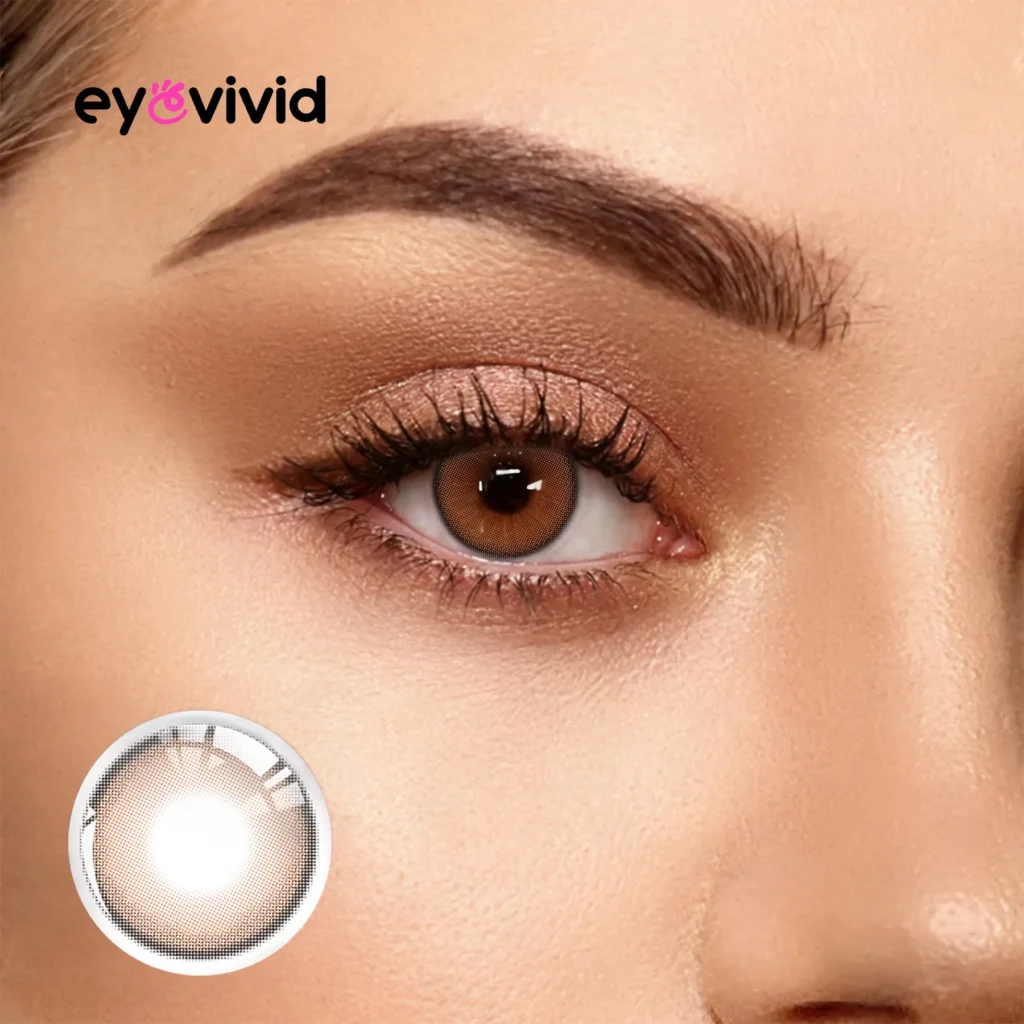
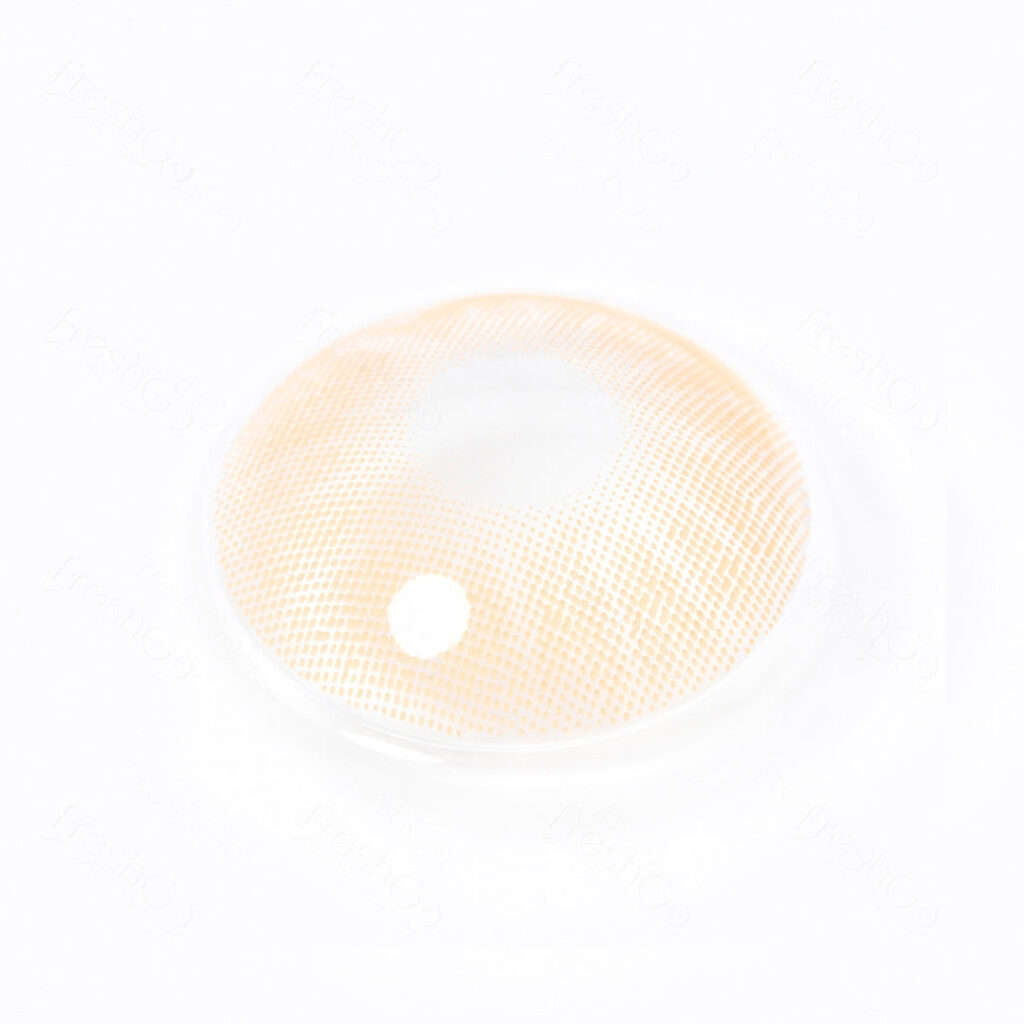
If your goal is a lens that looks polished rather than obviously “colored,” brown remains the strongest first choice. Taupe, caramel, chestnut, and honey-brown tones tend to work well because they keep warmth in the eye while still softening the iris pattern.
This is also why shoppers looking for the most natural result should usually start in Most Natural and then branch into Everyday Favorites only if they want a slightly brighter everyday finish.


Best for: everyday wear, low-makeup days, work or school styling, and anyone who wants “my eyes, but better” instead of a dramatic color jump.
2. Soft Gray Is the Better Second Step Than Bright Blue
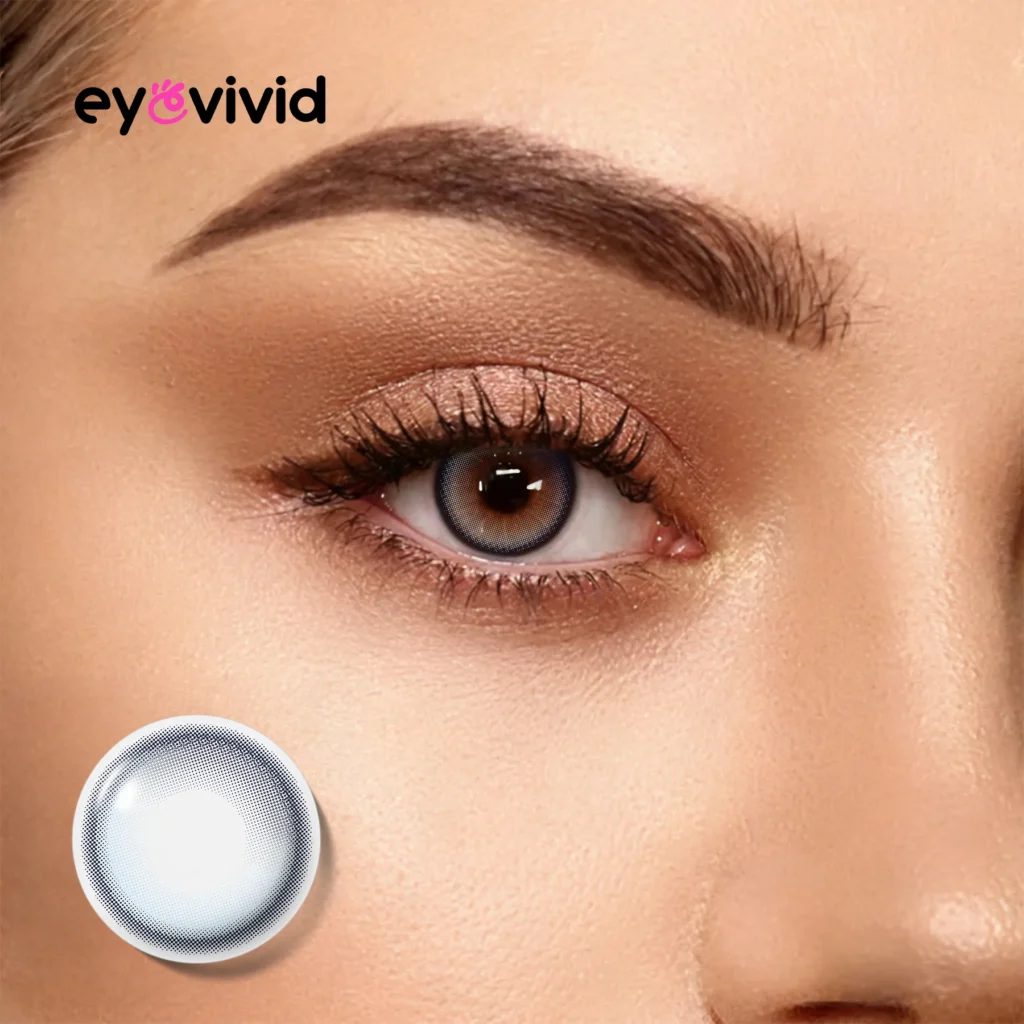
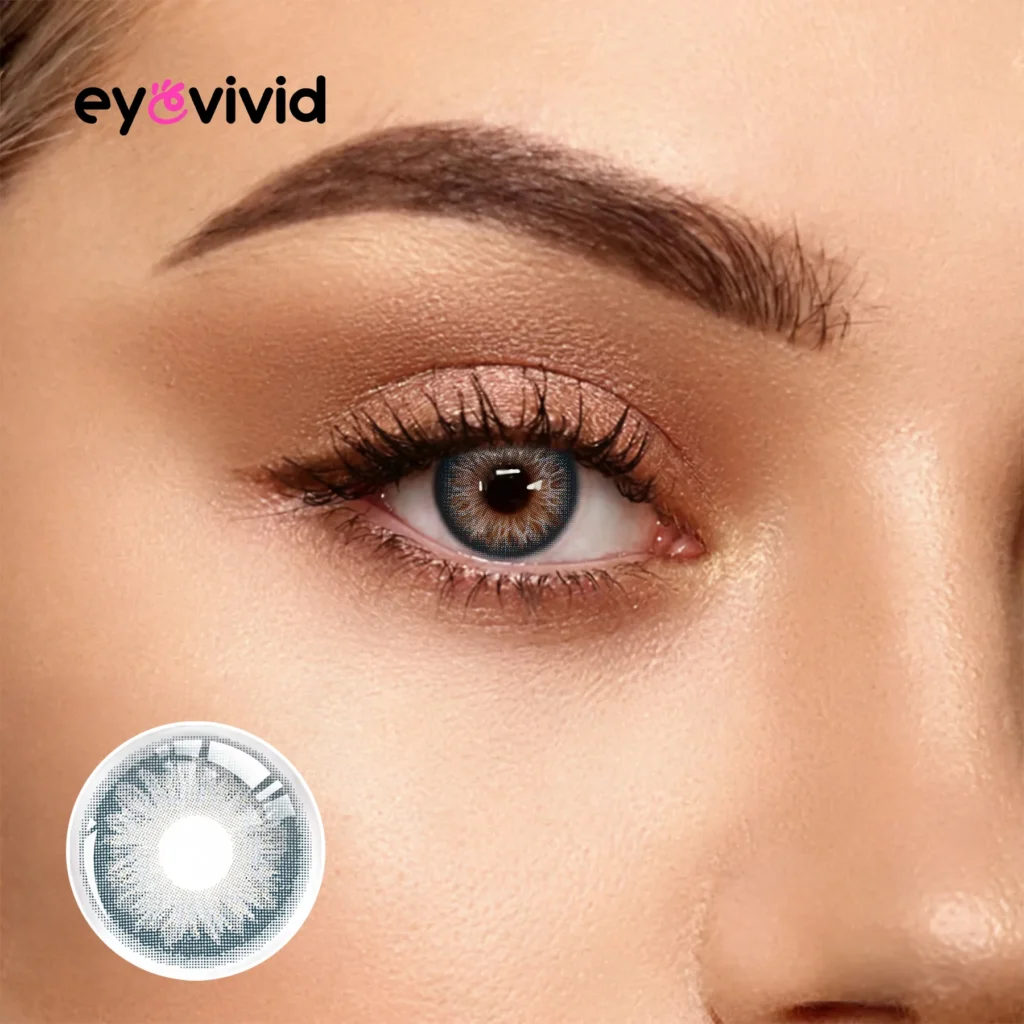
Many shoppers assume blue is the next move after brown, but for a natural finish on dark eyes, soft gray is usually the smarter second step. Gray can clean up the eye area and create a cooler look without pulling as obviously bright as blue.
The key is choosing a gray that stays smoky or graphite instead of icy. On dark eyes, that difference matters. A soft gray can look polished and editorial. An overly pale gray can start looking flat or artificial.

If you want a natural result that feels cleaner and cooler than brown, use Everyday Favorites as the next filter instead of jumping straight into bright blue collections.
3. Before-and-After Proof Matters More Than Styled Campaign Shots
A polished campaign image can help you understand vibe, but it should never be your only proof. For dark eyes, the most useful images are the ones that show how the lens shifts the iris in a direct before-and-after format.
That matters even more when you are shopping for natural-looking contacts, because the question is not “Does this lens look dramatic?” The question is “Does it soften the eye without looking fake?”

Quick Guide: Which Natural Lens Direction Fits You Best?
| What you want | Best color family | Where to start |
|---|---|---|
| The safest first pair | taupe or caramel brown | Most Natural |
| A soft everyday upgrade with a cooler finish | smoky or graphite gray | Everyday Favorites |
| Natural-looking lenses for work, class, or daylight | warm brown | Most Natural |
| Still unsure where to begin | brown first, then soft gray | Top Picks |
Mistakes to Avoid When Shopping for Natural Colored Contacts
- Choosing the coolest shade first. On dark eyes, very pale gray or icy blue often reads less natural than a well-blended taupe brown.
- Judging from one thumbnail. If you only see one front-facing image, you still do not know enough about edge softness, blend, or daylight payoff.
- Confusing subtle with invisible. A natural lens should still improve the eye area. If it disappears completely, it may not be doing enough.
- Ignoring your real makeup routine. The best natural lens is the one that fits the face you actually wear most days, not just a fantasy mood board.
Where to Start If You Want the Easiest Natural Option
If your goal is the most natural colored contacts for dark eyes, the fastest route is not to browse every color page one by one. Start with EyeVivid Most Natural, then move into Everyday Favorites if you want a slightly brighter everyday finish.
That gives you a cleaner decision path:
- begin with warm brown if you want the lowest-risk result
- move to soft gray if you want a cooler but still believable look
- save brighter blue or green for shoppers who want more visible contrast than “natural” usually implies
FAQ: Natural Colored Contacts for Dark Eyes
What color contact lenses look the most natural on dark eyes?
Brown is usually the safest answer, especially taupe, caramel, and other warm-neutral shades. These tones soften dark eyes without creating a harsh color jump.
Can gray contact lenses still look natural on dark brown eyes?
Yes, if the gray stays smoky, graphite, or softly blended. Gray usually looks more natural than bright blue when you want a cooler finish without obvious contrast.
Are blue contact lenses natural on dark eyes?
Usually not in the strict everyday sense. Blue can look beautiful on dark eyes, but it is more visible and higher-contrast than most shoppers mean when they search for a natural result.
Where should beginners start if they want a natural look?
Start with Most Natural. It is the cleanest place to begin if you want a believable daytime lens before trying brighter or more editorial shades.